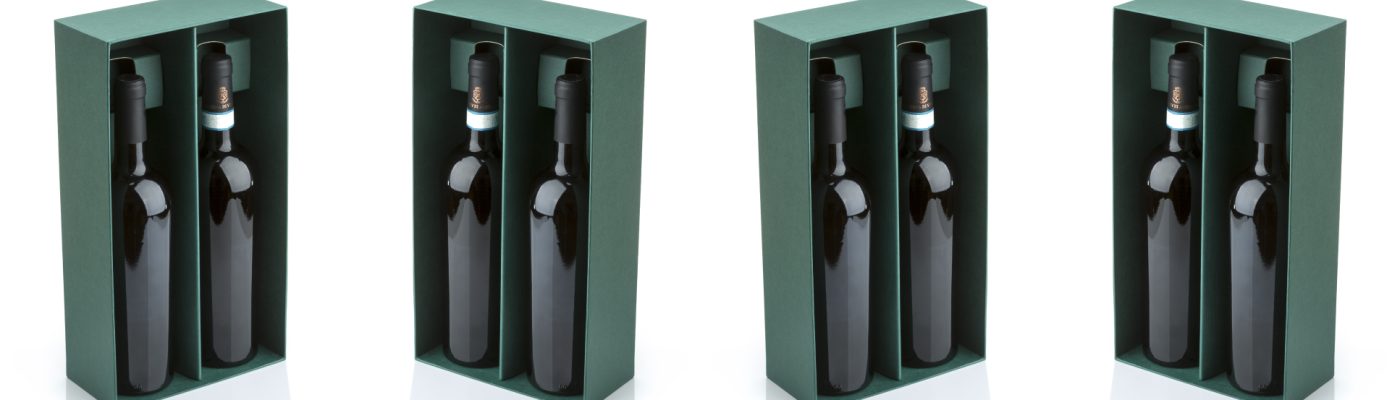
In the wine and spirits industry, packaging is not just an accessory but an essential component that elevates the product and communicates its identity. From early containers to modern custom cases, packaging has become vital for conveying quality, uniqueness, and sustainability.
From Practical Beginnings to Product Differentiation
The earliest packaging forms in the sector served a purely practical purpose: amphorae, wooden crates, and later cartons protected bottles during transport. Over time, and with market evolution, packaging shifted from functional wrapping to distinctive elements representative of the product. The Industrial Revolution introduced standardization to packaging, making it an integral part of the purchasing experience.
Boxes and cases began to represent wines and spirits with specific styles and details, giving each product a unique personality.
Packaging: A Brand’s Calling Card for Wine & Spirits Products
Today, packaging for wines and spirits is fundamental to brand positioning and value communication. It is the first element that the consumer sees, touches, and perceives, and it plays a decisive role in shaping expectations and influencing product perception.
Distinctive designs, premium materials, and refined details such as hot stamping, matte or gloss finishes, embossing, and engraving all convey product value and quality even before tasting. For example, the rigid casings for certain champagnes or the silk-screened boxes for premium whiskeys—all packaging elements are crafted to attract, communicate, and leave a lasting impression.
A Sensory Experience for the Consumer
Packaging delivers a complete, multisensory experience. Beyond physical protection, it creates emotional value, enhancing the anticipation of consumption. Particularly well-crafted packaging for fine wines or luxury spirits, often made from reinforced cardboard, also adds a tactile element that invites exploration.
For instance, many cognac producers present their products in thick, rigid cardboard cases, sometimes lined with velvet or detailed with gold or copper accents. These details evoke prestige and sophistication, contributing to the perception of the product as exclusive and valuable.
Sustainability in Packaging: A Priority
Today’s consumers are increasingly seeking sustainable products, and the wine and spirits sector has responded with eco-friendly packaging solutions that uphold aesthetic appeal and functionality. Wine and spirits companies are adopting recyclable materials, FSC-certified cardboard, and plant-based inks, proving that high-quality design can align with environmental responsibility.
Conclusion
In the wine and spirits industry, packaging is far more than a mere container—it is an extension of the product, a design element that reflects the brand’s story, identity, and value. It instantly communicates the quality and prestige of its contents and can make a significant difference in the crowded wine and spirits market.
With deep expertise and an understanding of industry dynamics, Lotti offers custom, creative packaging solutions that help each product stand out, transforming packaging into a true statement of value that leaves a lasting impression.